 Blog •
16/09/24
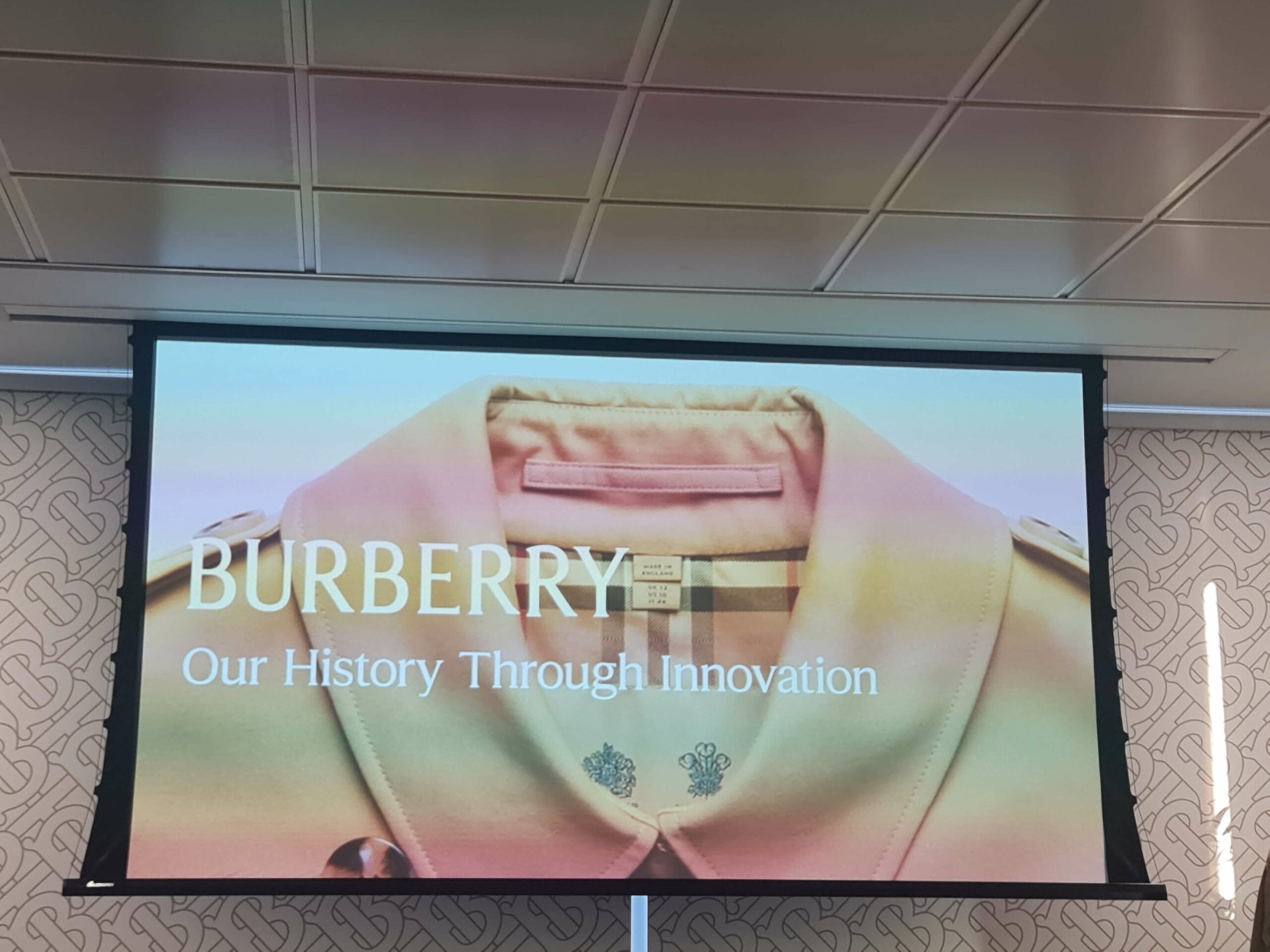
In September 2024, I attended Burberry: Our History Through Innovation as part of Leeds Digital Festival. The event brought together Burberry’s heritage with a range of experiments in AI, augmented reality and immersive digital experiences.
What interested me most was not simply the technology itself, but the different ways it was being used: to tell brand stories, let customers interact with products, revisit archive material and rethink how a fashion experience could be presented digitally.
These were some of the installations that stood out to me.
Event note: This article reflects an event I attended during Leeds Digital Festival in September 2024. The technologies and examples discussed here show where fashion, retail and immersive technology were heading at that point, while many of the platforms and AI workflows have continued to develop since.
One of the first installations that stood out featured Amazon Bedrock, where Burberry had developed an AI model presented through Proto holographic screens. The AI could answer questions about the brand, its history, and even highlight key pieces from past and present collections. What interested me here was the use of AI as an interface into brand history, rather than simply as a tool for generating new imagery. It showed one possible way technology could make archive and product information more interactive for an audience.
The Zero10 AR screen, presented with Verizon, allowed visitors to see some of Burberry’s recognisable pieces applied virtually on screen. The experience was quick and engaging, and it was easy to see why virtual try-on attracts interest from fashion retailers.
Beyond the novelty, tools like this raise interesting questions about how digital product experiences might support customer engagement and purchasing decisions. Whether they meaningfully affect factors such as fit confidence or returns depends on the technology, product and way it is implemented.
Capgemini’s AI-powered photo experience placed the visitor’s face into imagery inspired by historic Burberry styles from the 1920s through to the 1960s. For me, this sat much more in the space of creative engagement and brand storytelling than product development, but that was exactly what made it interesting.
It demonstrated another role for generative AI in fashion: not necessarily designing the product, but creating a more personalised way for audiences to interact with a brand’s history.
Related reading: I’ve explored the wider role of AI and 3D across fashion workflows in How AI & 3D Are Reshaping Fashion Without Replacing You, including where these technologies support design, product development and communication rather than replacing the skills behind them.
Epam’s virtual Scottish runway placed visitors inside an immersive fashion-show environment, with hand-gesture controls and different viewpoints. What interested me was the idea of the fashion presentation itself becoming interactive, rather than simply watching a video of a physical runway.
Real-time and immersive environments have continued to be an area I’ve followed since, particularly through the work happening around CLO3D and Unreal Engine.
More on immersive fashion workflows: I later attended a CLO x Epic Games event in London, where I explored how real-time 3D and Unreal Engine could connect much more directly with digital garment development.
Read: CLO x Epic Games London – AI Imagery vs 3D Evidence in Fashion Workflows
Beyond the tech itself, what made the event special was the chance to catch up with friends and colleagues from the digital fashion space. Conversations flowed easily, and it’s always motivating to hear how others are integrating these tools in their own work—whether that’s through education, brand development, or sustainability.
Looking back at the event, what stands out is how differently each technology was being used.
The AI installations were largely about storytelling and audience engagement. Virtual try-on explored the customer experience. The immersive runway looked at how fashion might be presented in a different kind of digital environment.
None of those applications replaces the knowledge required to design or develop the product itself. They sit around the product, changing how it can be communicated, experienced and understood.
That distinction has become increasingly important as AI and 3D tools have developed. Rather than grouping everything under “digital fashion”, I think it is much more useful to ask what problem a particular technology is solving and where it actually belongs in the workflow.



 Go Back