I support fashion brands from early concept through digital development, fit review and production handover, combining CLO3D with practical knowledge of patterns, garment construction and manufacturing.
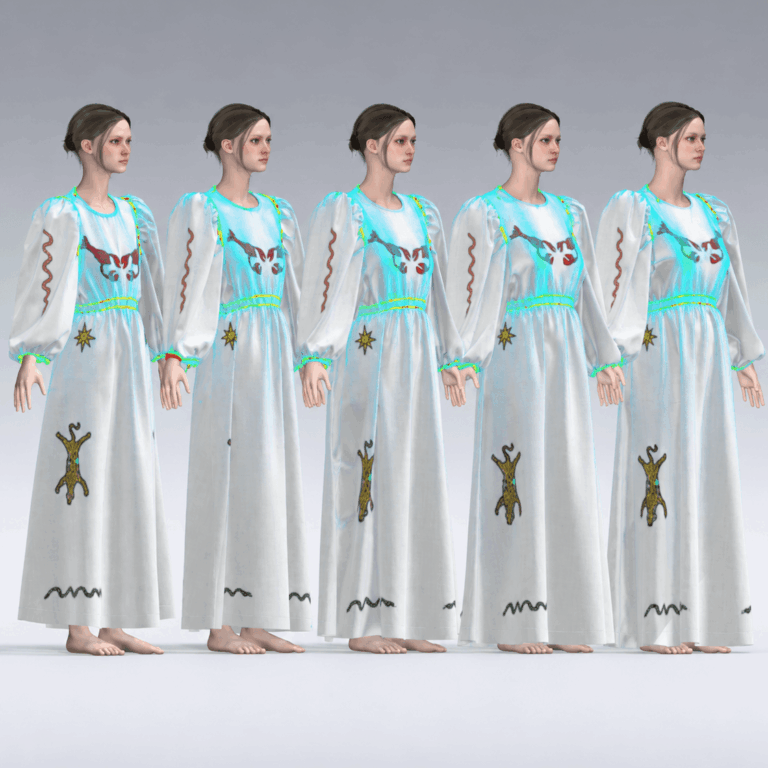
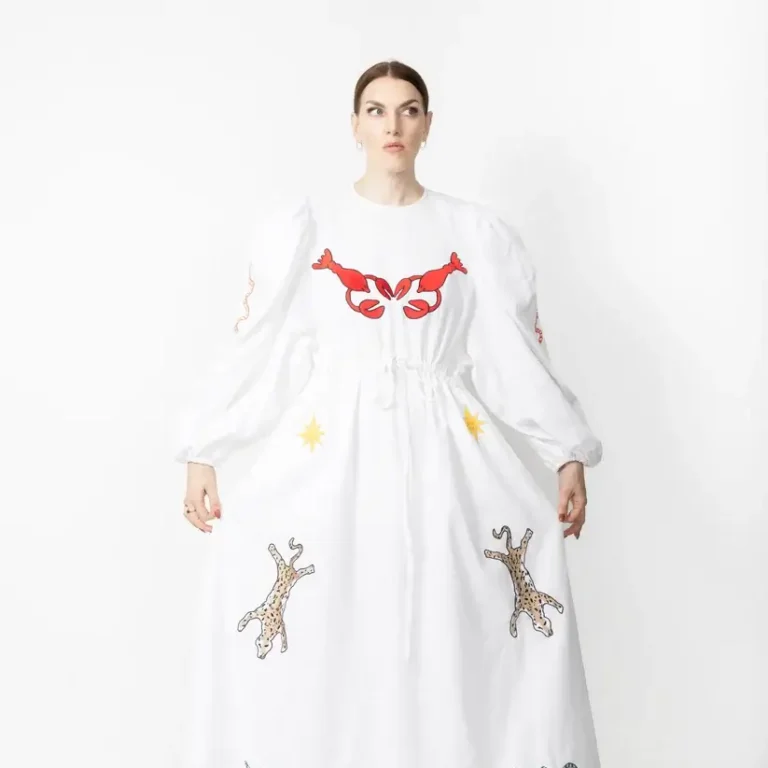
3D works best when it becomes part of the product development process, rather than simply being used to create a final visual.
I use CLO3D to help brands review design, proportion, construction, colour, materials and fit earlier, so more decisions can be made before committing to physical sampling.
With over 20 years of experience across fashion design, product development and sourcing, I understand what needs to happen beyond the screen. Depending on the project, I can support pattern development, digital prototyping, fit and grading review, colour and print development, technical documentation, supplier communication and production handover.
3D does not remove the need for physical samples in every product category. Instead, it gives us another development tool: helping to resolve more questions digitally so that physical sampling can be more focused and purposeful.
3D product development allows design, proportion, construction and pattern changes to be reviewed earlier in the process. By testing options digitally in CLO3D before progressing to physical sampling, teams can resolve questions sooner, make informed decisions and keep development moving.
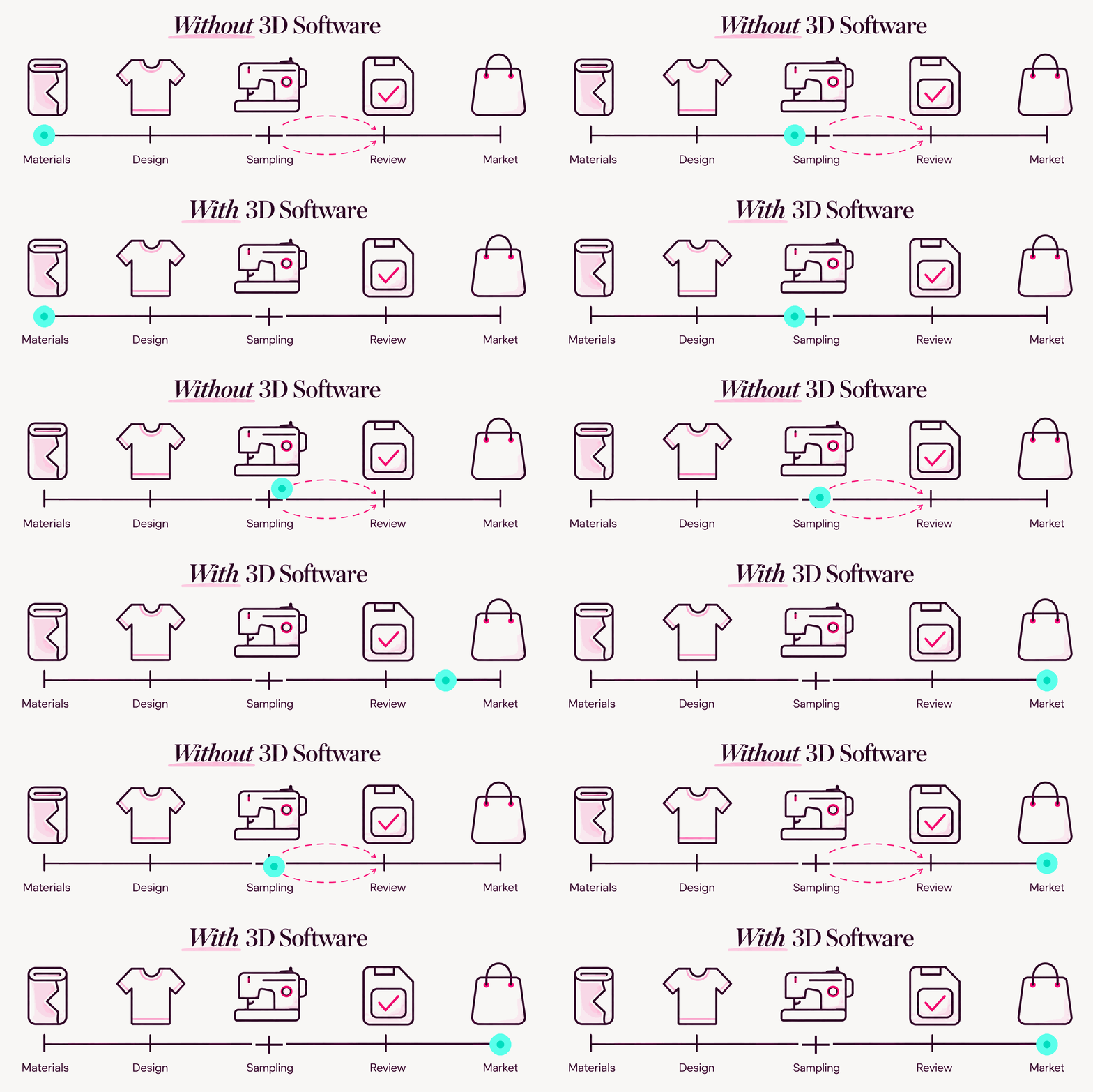
Using CLO3D to resolve design, proportion, construction and fit questions earlier can help reduce unnecessary physical sample iterations. This allows physical sampling to be more focused, potentially reducing development time, material use and associated sampling costs.
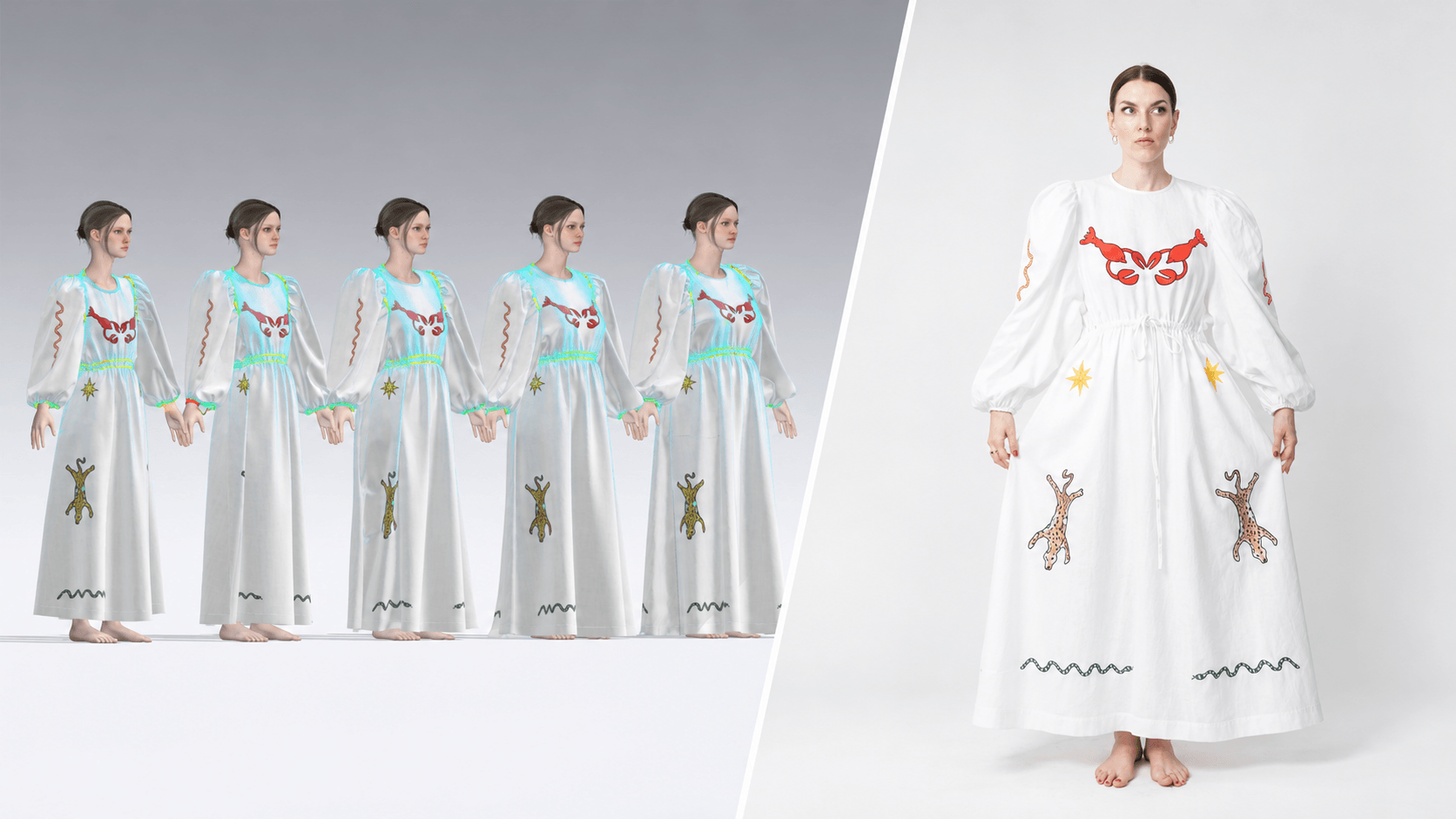
CLO3D can support earlier review of garment fit, balance, proportion and ease before physical sampling. Using appropriate avatars, patterns and material data, potential issues can be identified and adjusted digitally, helping to make later fitting and sample development more informed.

3D garment visuals, annotated development notes and technical information can give designers, product developers, suppliers and manufacturers a clearer shared reference. This helps reduce ambiguity when reviewing details, agreeing changes and preparing a style for its next development stage.

3D product development can help reduce unnecessary sampling, shipping and material use when more decisions are resolved digitally. Digital layplans can also support early fabric-consumption and costing decisions, helping teams make more informed choices before physical production begins.

Where required, 3D development can continue into technical and production handover, including annotated garment visuals, BOM and POM information, pattern files and tech pack input. The final package is shaped around the product, supplier requirements and agreed scope of the project.

From focused concept and visualisation support to full development and production handover, packages are tailored around the number of garments, level of technical development and support required.


