 Blog •
27/02/26
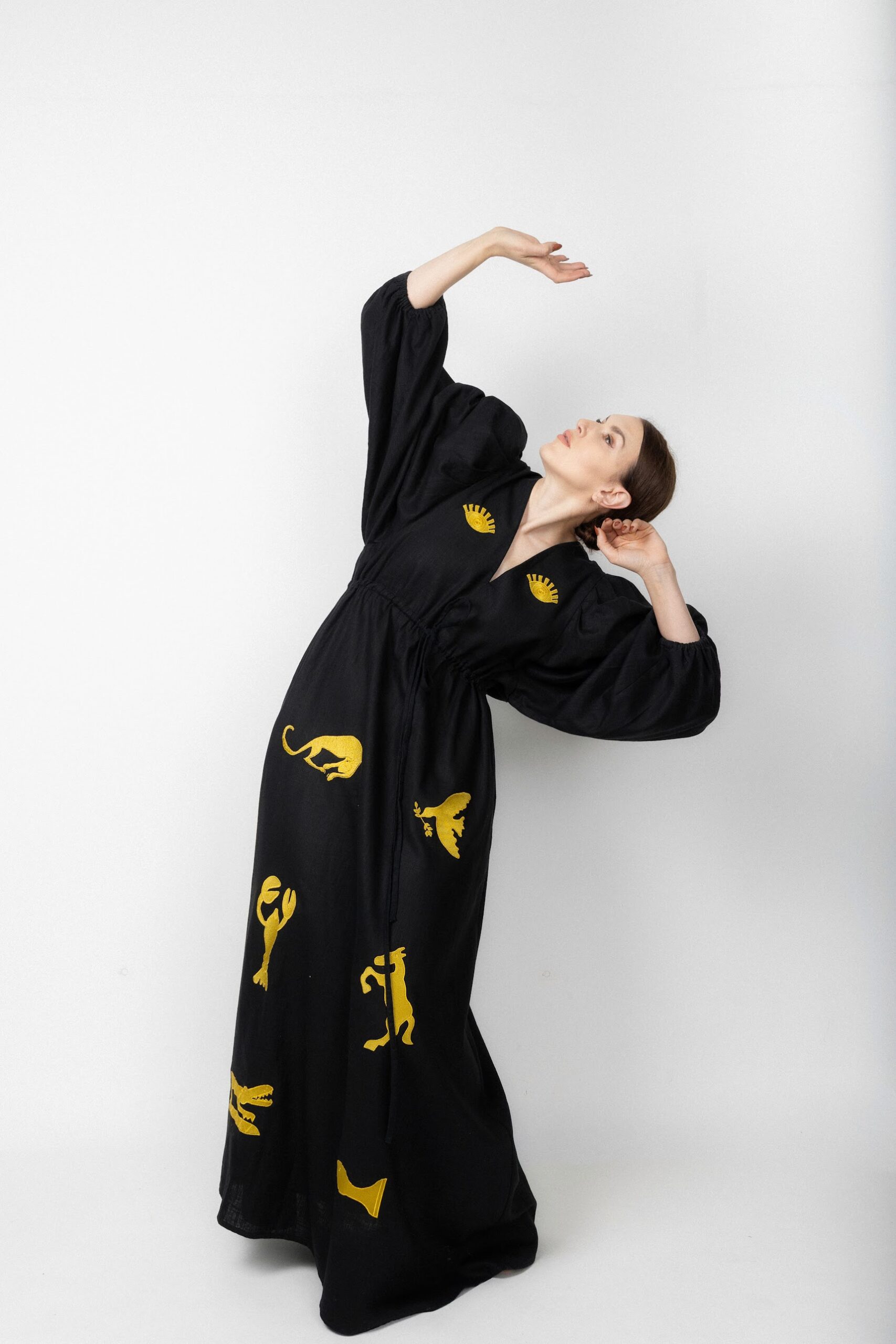
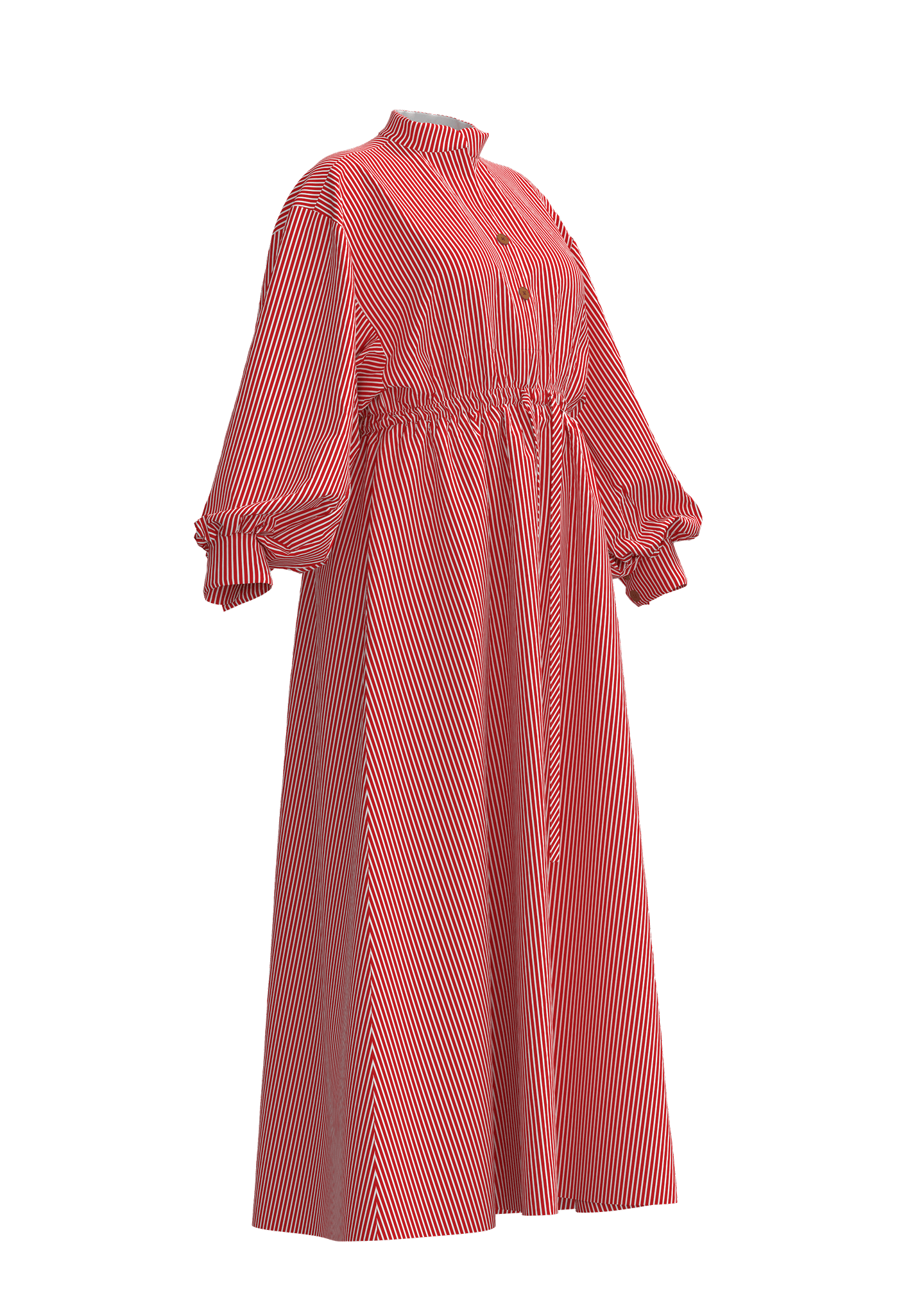
Recently, I was fortunate enough to support the development of Dorothy & Rose, a size-inclusive slow fashion brand founded by Radio 1 presenter Rosie Madison.
The collaboration received local press coverage, but I wanted to use this space to explain something more valuable: what this project demonstrates about 3D product development for small and independent brands.
Because this wasn’t just a story about collaboration.
It was a practical example of how 3D can fundamentally change the development process.

Rosie came to the project with a clear creative direction. The silhouettes and artwork were already defined.
The challenge was technical:
Ensuring proportion worked across sizes 6–24
Reviewing volume and garment balance
Checking print placement across the full size range
Avoiding excessive physical sampling
Maintaining slow fashion principles
For a size-inclusive brand, development decisions cannot rely on one base size alone. Proportion, grading logic and placement scale all matter significantly more.
This is where 3D became critical.
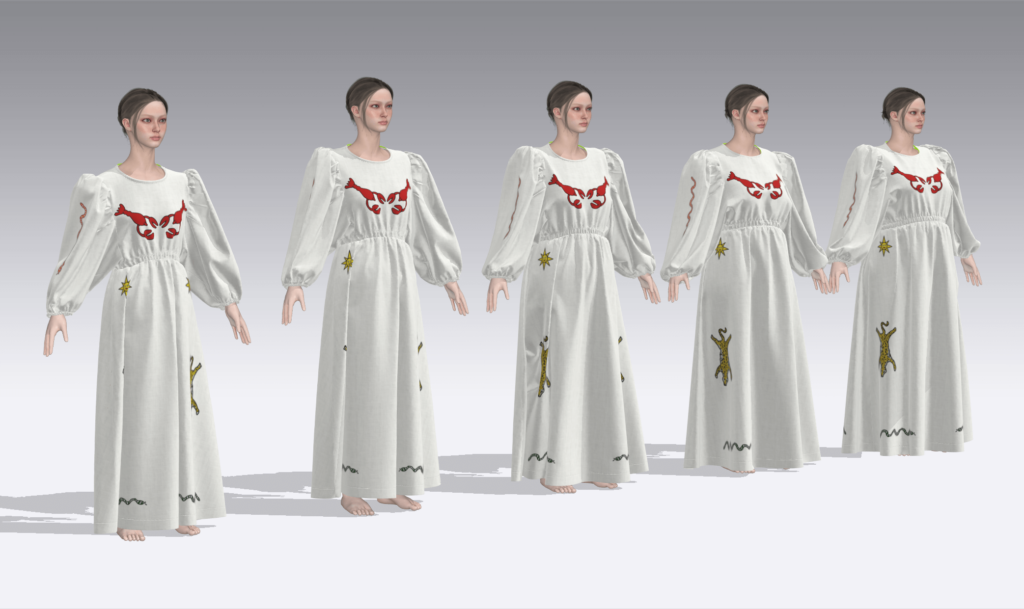
3D wasn’t used to “design from scratch.”
It was used to validate and refine.
Using CLO3D, I:
Built each garment digitally
Checked proportion and balance across sizes
Tested print placement accuracy
Assessed volume and fabric behaviour
Resolved technical decisions before sampling
This meant sampling became confirmation rather than exploration.
And that distinction is important.
After resolving development digitally, the project required just one physical sample per garment.
For a small brand, this has real implications:
Lower development cost
Less material waste
Faster progression to production
Greater confidence in inclusive fit decisions
Reduced financial risk
Slow fashion isn’t only about where garments are made.
It is also about how intelligently they are developed.

Many independent brands assume 3D is:
expensive
complicated
only for large companies
In reality, 3D can be most impactful for smaller brands because:
margins are tighter
budgets are limited
sampling mistakes are costly
inclusivity requires precision
sustainability must be intentional
The right technical structure early in development prevents expensive correction later.

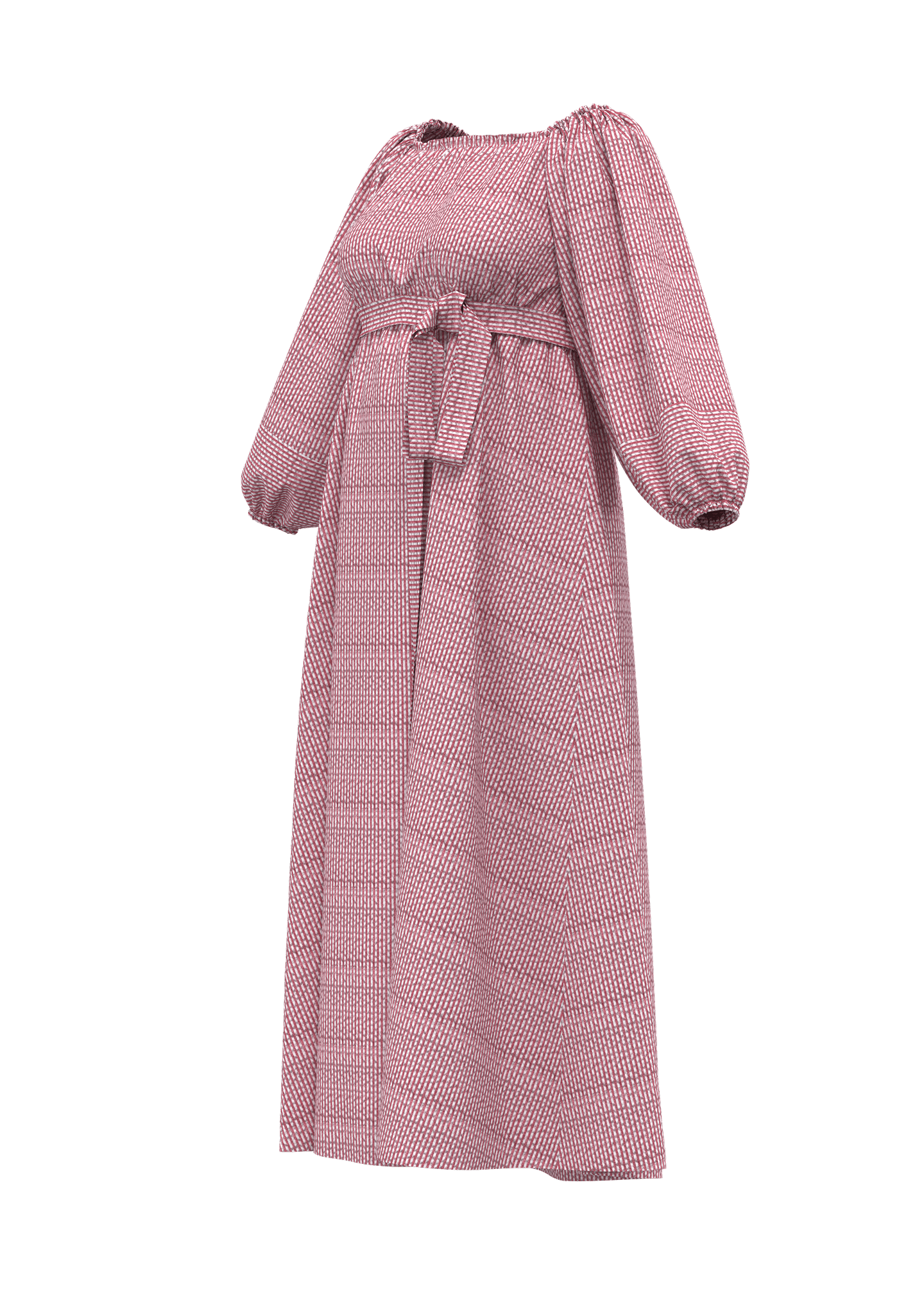
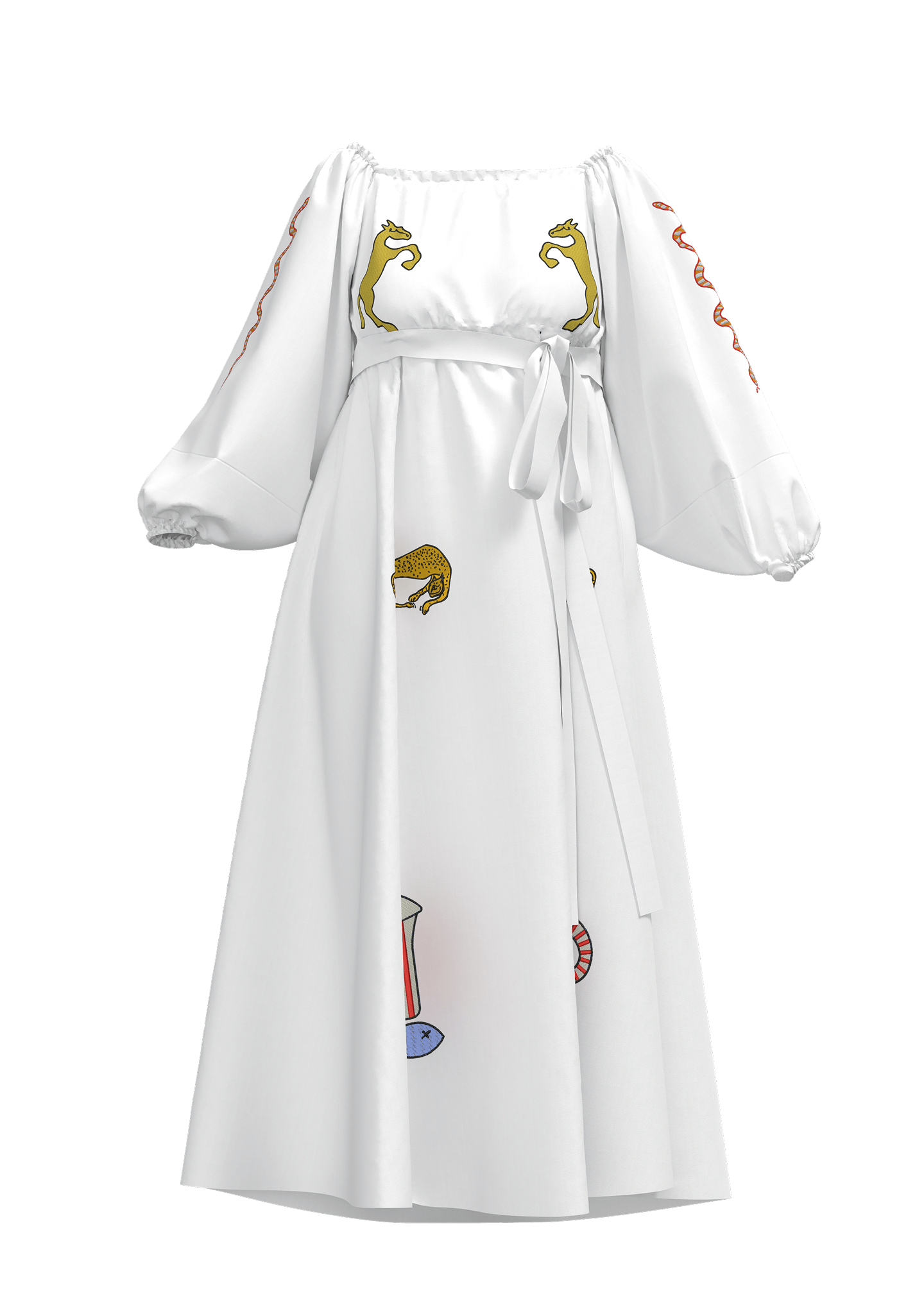
“So much fashion is made overseas at speed, but I wanted to build something thoughtful, local, and values-led. Creating a size-inclusive slow fashion brand meant finding the right people to work with and Laura felt like the perfect match. Two Yorkshire women supporting and empowering one another to bring Dorothy & Rose to life.”
This project was featured in the local press, highlighting the role of digital product development in supporting sustainable and size-inclusive fashion.
Dorothy & Rose is a strong example of what happens when clear creative direction meets structured digital development.
If you are building a collection and want to explore how 3D can reduce risk, waste and unnecessary sampling, you can get in touch here.

Here are three questions to ask before sampling:
Have you validated proportion across your size range?
Have you reviewed placement scaling?
Are you sampling to confirm or to experiment?



 Go Back