 Blog •
27/03/26
Some projects stay with you, and this has honestly been one of my favourites.
Over the last year, I have had the opportunity to contribute to a really special piece of work connected to Fashion Museum Bath, Bath Spa University, and a wider collaborative digitisation project exploring how historic and significant fashion garments can be studied, documented and experienced through digital methods.
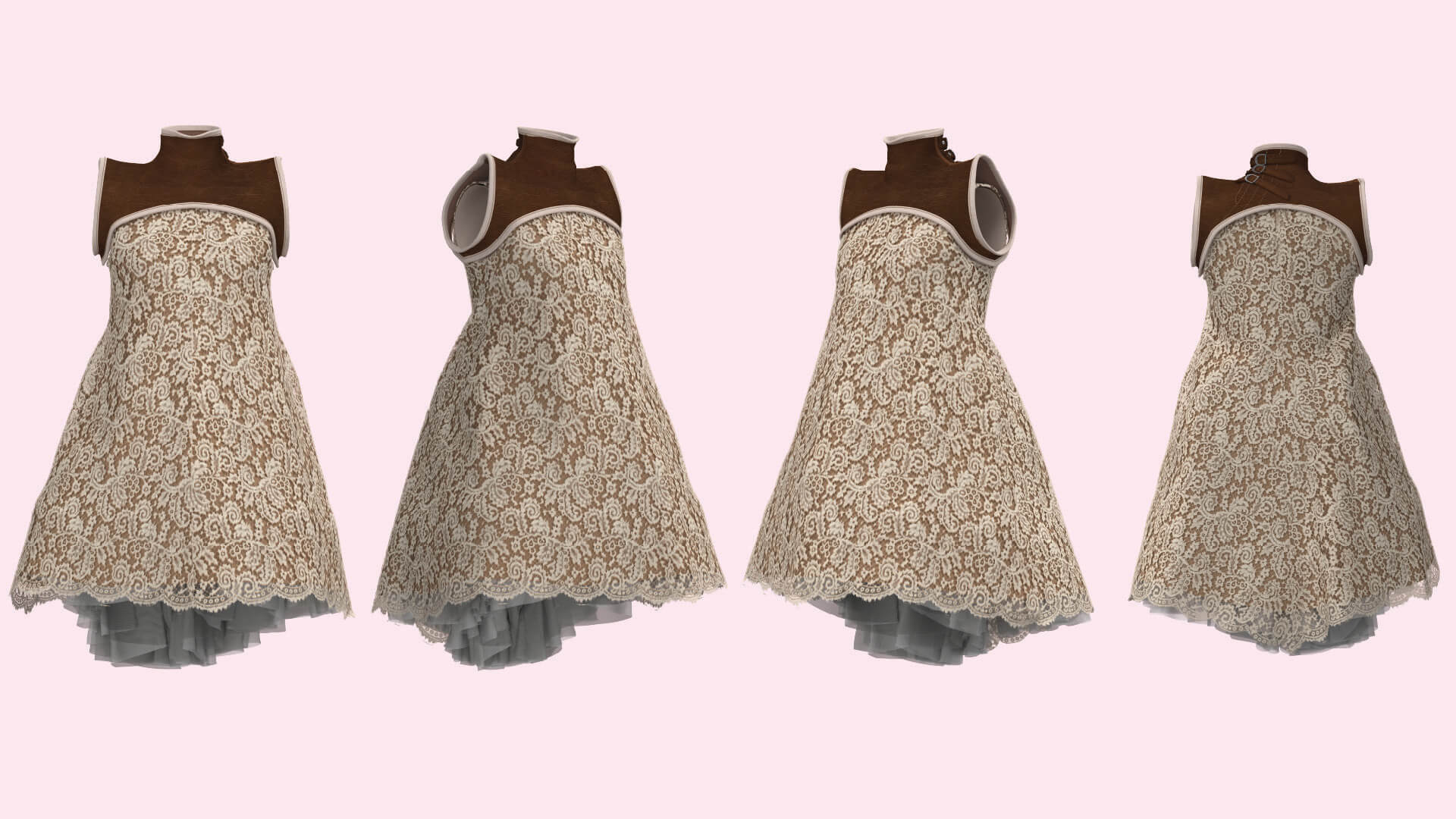
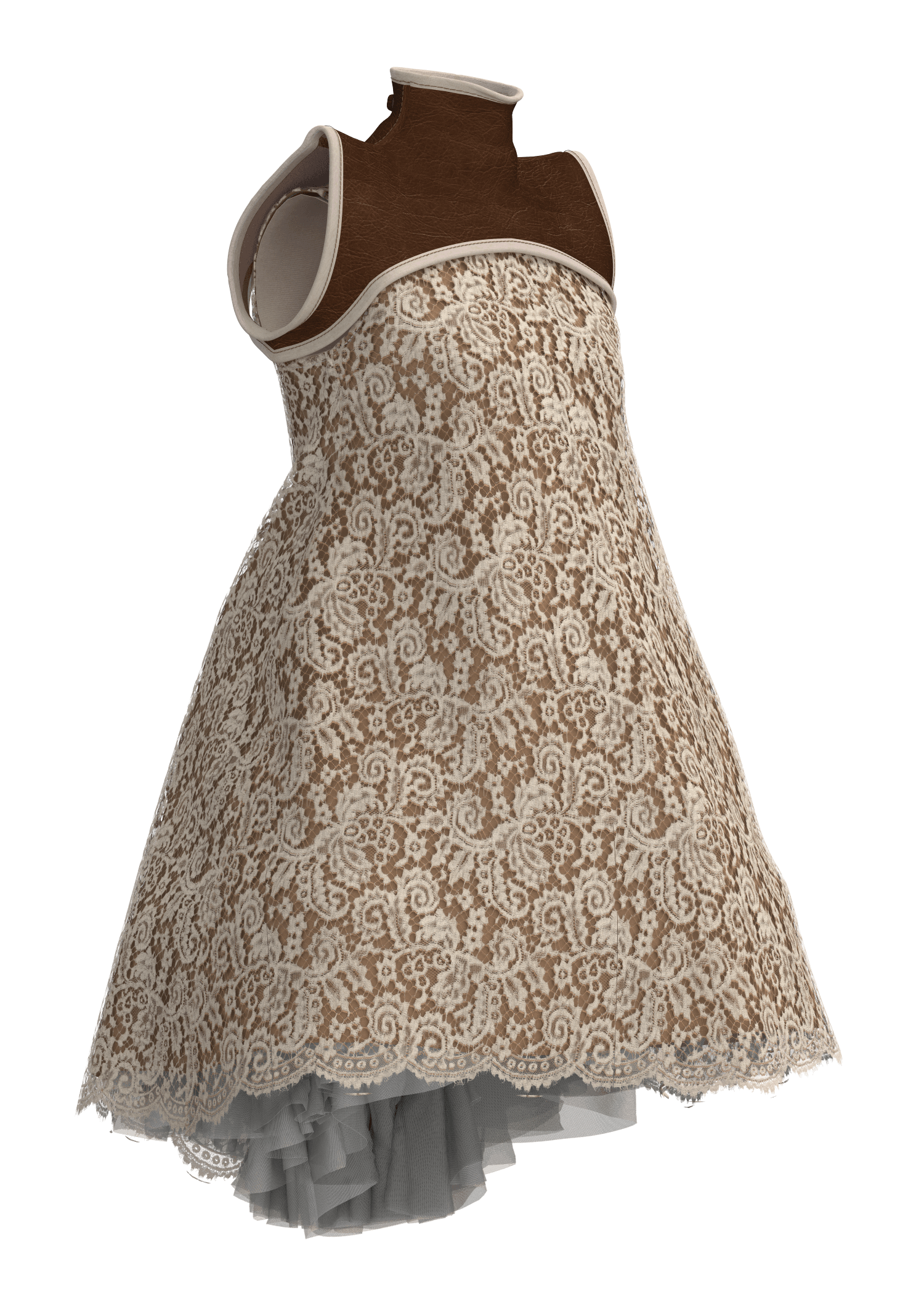
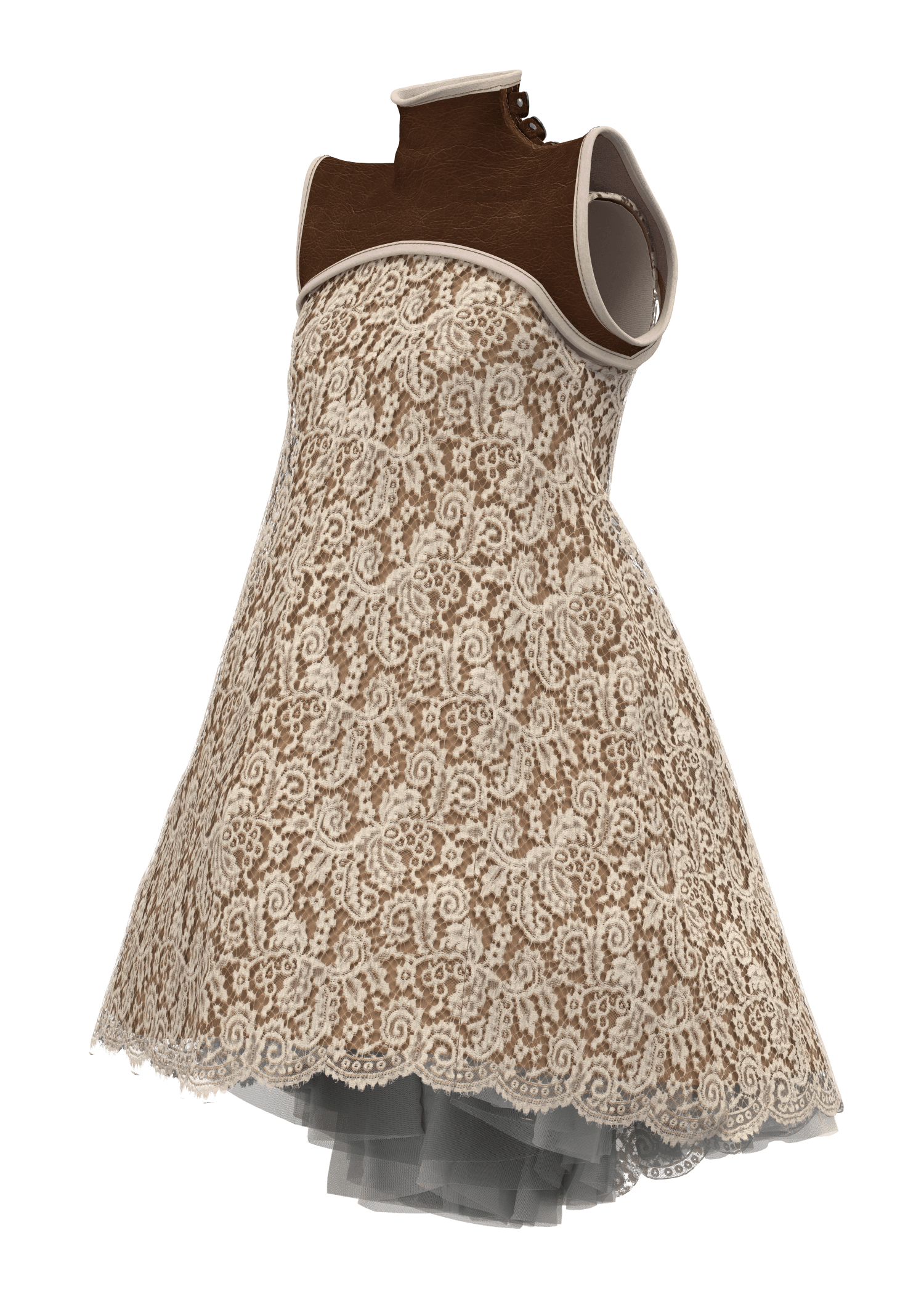
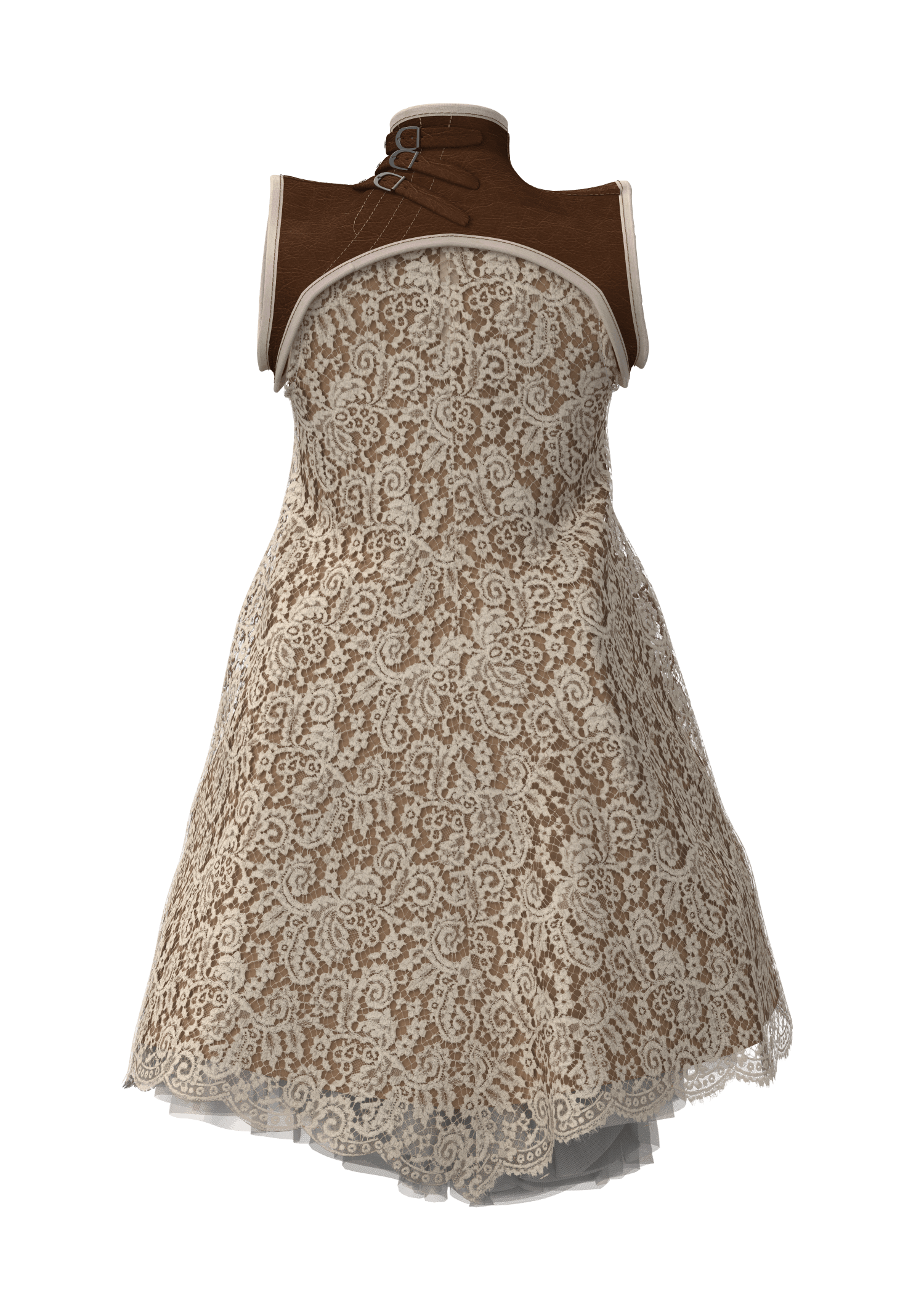
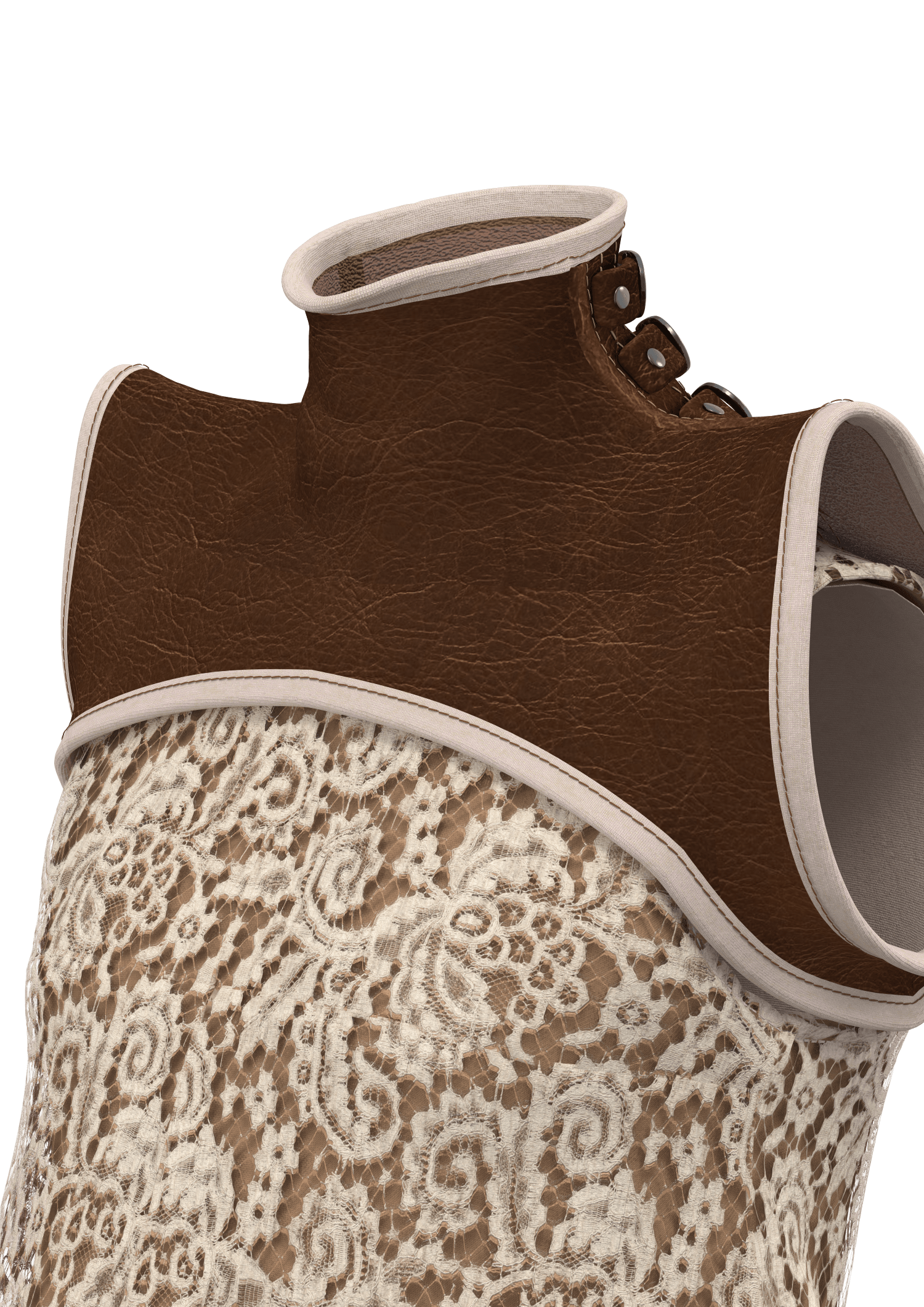
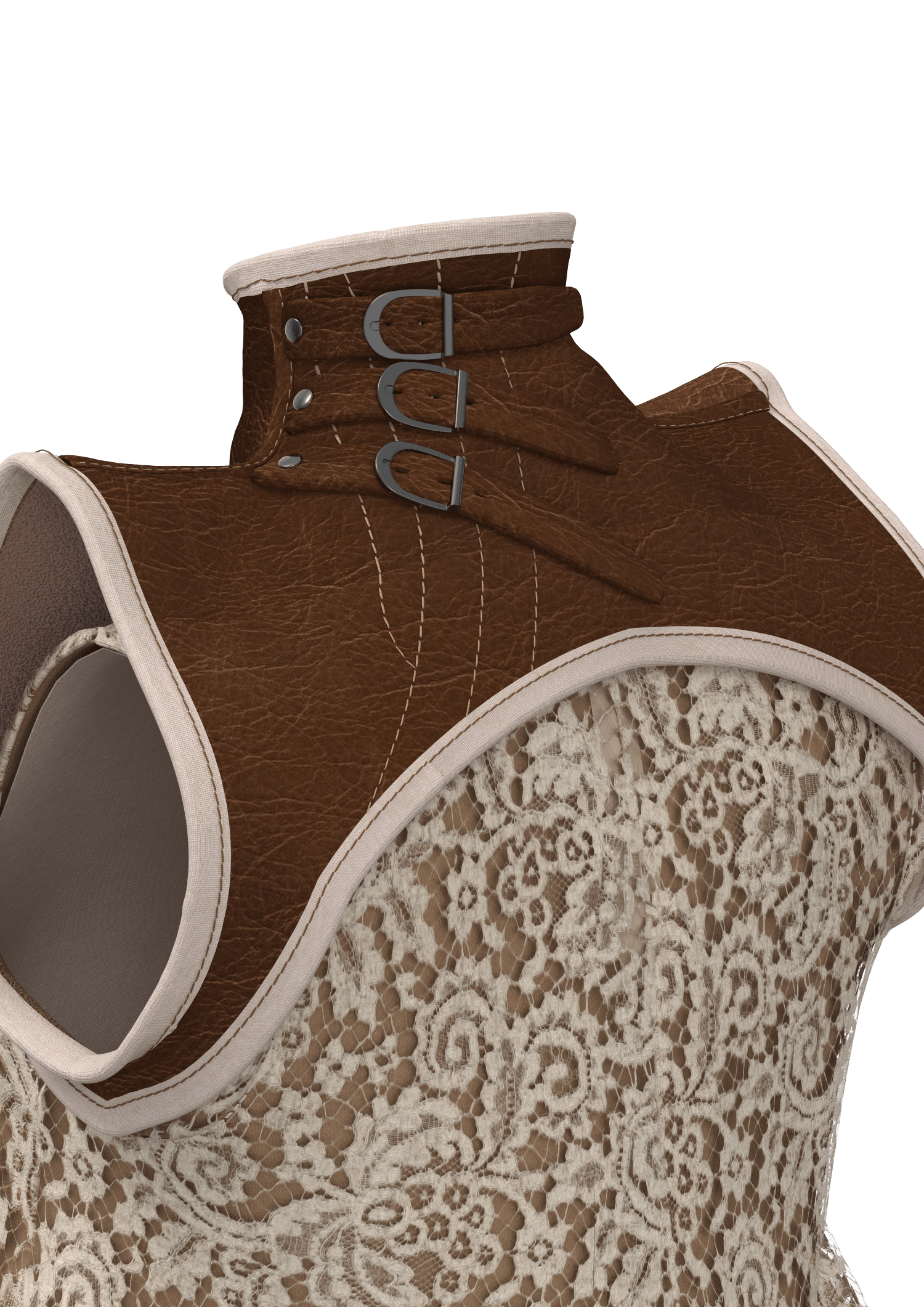
For me, the most exciting part was the chance to help recreate an original Alexander McQueen dress in CLO3D.
Not just as a visual replica, but as a carefully considered digital garment that respected the original construction, pattern detail and overall complexity of the piece.
As someone who cares deeply about both technical accuracy and the role digital tools can play in preserving fashion, this project brought together so many of the things I love about my work.
As part of her fellowship with Fashion Museum Bath and Bath Spa University, Gabby Shiner-Hill was involved in the research and digitisation of selected garments connected to the museum’s collection. This included visits to the temporary home of Fashion Museum Bath’s garment archive, where shortlisted pieces were reviewed as potential candidates for digitisation.
The scale of the collection itself is incredible, with over 100,000 objects spanning historic dress through to contemporary fashion. That context alone makes you realise just how important digital documentation can become in helping collections be studied, shared and preserved in new ways.
Part of the process involved assisting with the mounting of garments. In museum and historic dress terms, mounting is the careful preparation and positioning of a garment for display, making sure it is supported correctly and presented in a way that respects both its structure and condition. For garments with complex shapes, layers, or delicate internal construction, this stage is incredibly important.
The garments were photographed during both mounting and unmounting, which helped capture far more than the outward appearance. It allowed the team to review internal construction, hidden layers, and in some cases undergarments or support structures that are essential to understanding how a piece is really made.
One of the selected garments was the Fashion Museum Bath Dress of the Year 1999, an Alexander McQueen design. Fashion Museum Bath identifies its 1999 Dress of the Year as Alexander McQueen, selected by Susannah Frankel of The Independent. The dress is connected to one of McQueen’s most memorable runway moments from his Spring/Summer 1999 collection No. 13, in which model Shalom Harlow stood on a rotating platform while two industrial robots spray-painted the dress during the live show.
If you are unfamiliar with the original runway moment, you can watch it here:
That history alone made it a remarkable garment to study. But getting to analyse it closely from a technical point of view made the opportunity even more special.
Once selected, the dress was reviewed in detail, photographed extensively, and scanned in collaboration with CAMERA and Bath Spa University using Artec scanning technology. Alongside this, other approaches were tested too, including Polycam scans of replica garments, explorations in SuperSplat and augmented reality, and even experimental use of Snap filters to explore how digital fashion might be viewed and experienced in more accessible ways.
This was not simply about creating a static 3D object. It was about testing different ways a garment could be captured, reconstructed and shared digitally, whether for research, interpretation, education or future preservation work.
My role focused on working with Gabby Shiner-Hill and Martin Parsons (CAMERA Bath Spa University) to replicate the Alexander McQueen dress in CLO3D.
For this project, realistic construction was absolutely paramount. The aim was not to make something that only looked right at first glance. It needed to reflect the garment properly in terms of its pattern, layers, materials and behaviour, so that it could become a useful educational resource and potentially support future restoration thinking too.
I recreated the pattern pieces using a combination of close-up photography, scan data and original pattern references. These were digitised using my Gerber digitiser and brought into CLO3D as DXF files, giving me a solid base to begin rebuilding the garment digitally with as much accuracy as possible.
This is the part of digital fashion work I love most. Looking beyond the surface and really studying how a garment has been engineered.
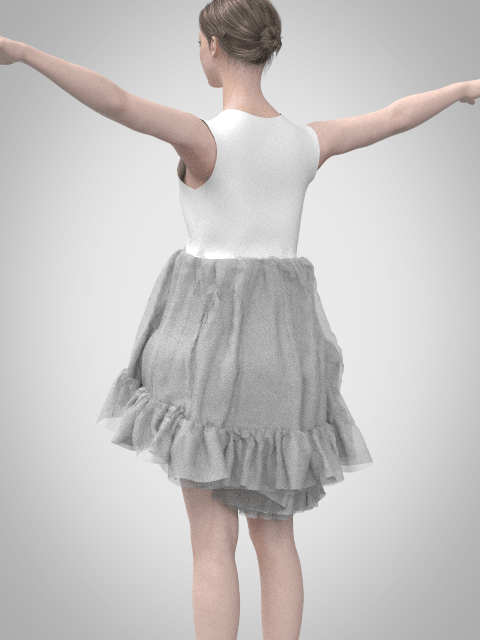
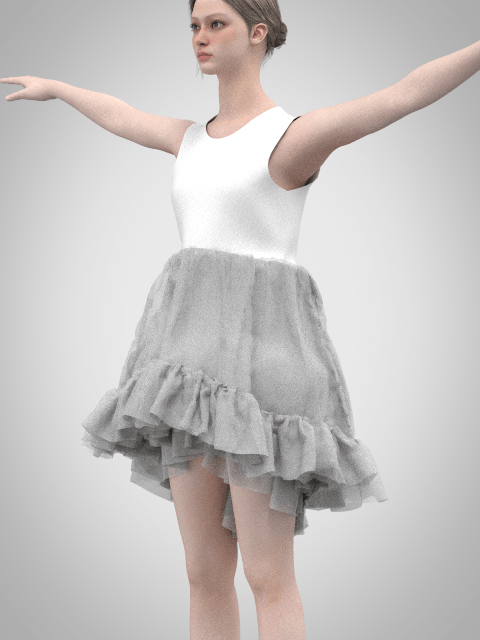
Without question, one of the biggest technical challenges was the underskirt.
This part of the garment included layer upon layer of tulle, around 30 metres in total, along with multiple box pleats and a number of complex internal details. Recreating that digitally was not straightforward. The volume, layering and behaviour of the tulle did not want to cooperate in CLO3D, and it took a huge amount of problem solving to get it working in a way that felt believable.
Layering that amount of fabric in a digital environment can be difficult at the best of times. When the structure also includes pleating and additional internal complexity, it becomes even more challenging. Getting the balance right between realism, simulation performance and garment stability took patience and a lot of testing.
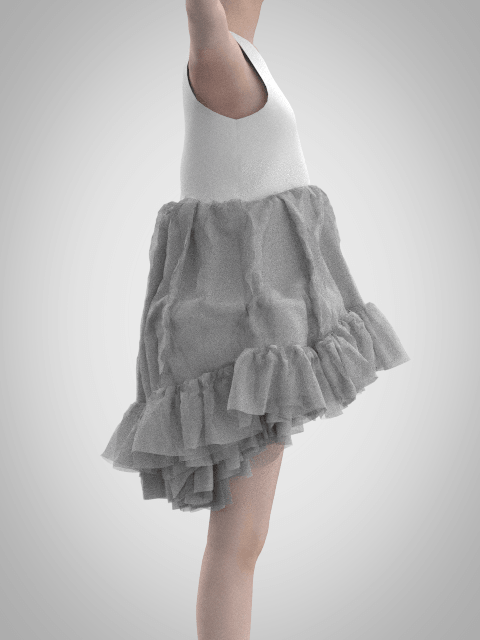
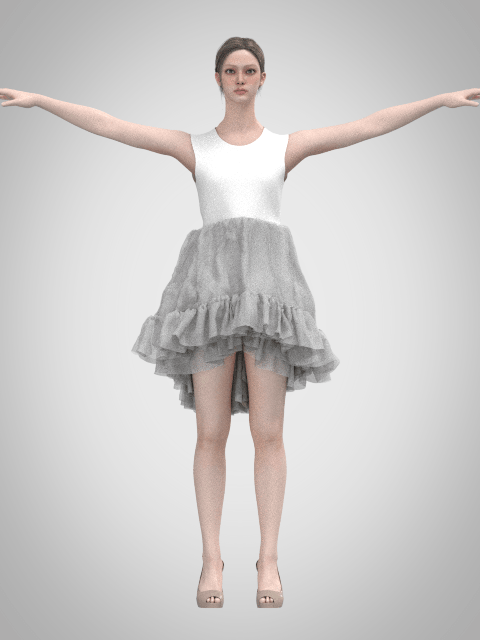
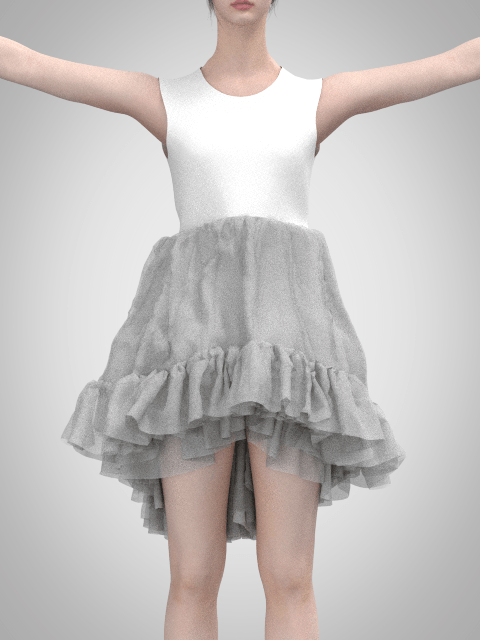
Another really important part of the process was fabric realism.
The scan data gave us valuable surface detail, and I was able to bring that into CLO3D through the fabric maps. As part of the software pipeline, Gabby created these maps using Bandicoot Imaging, which helped turn the physical fabric into digital PBR maps that could then be applied back onto the garment in CLO3D. Using the base colour, normal, opacity, displacement and roughness maps helped build a much more convincing representation of the original garment and pushed the digital version far beyond a flat visual mock-up.
That kind of detail makes a huge difference. It helps communicate not just colour and print, but depth, surface quality and material character, all of which are essential when you are trying to recreate a garment of this significance.
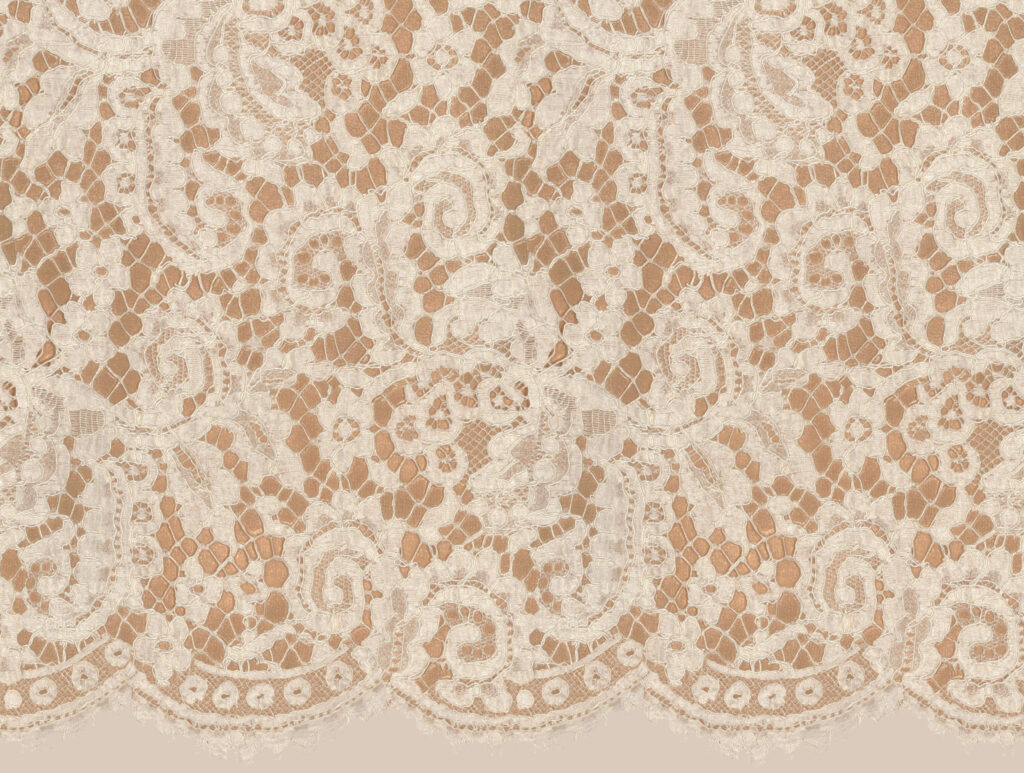
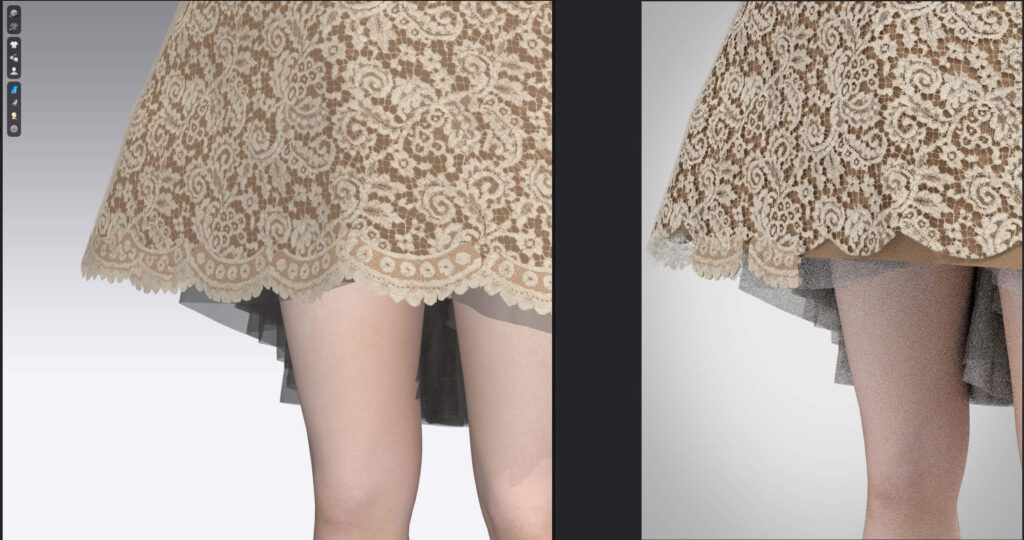
The skirt border brought another challenge.
This edge detail had a scalloped finish, which meant I had to think carefully about how to make that sit correctly on the pattern pieces without changing the pattern itself. It needed some creative problem solving to maintain the integrity of the garment while still achieving the right visual and structural outcome in CLO.
Often with projects like this, the most time-consuming parts are the ones that might not be immediately obvious in the final result. Small details can take a surprising amount of technical consideration when accuracy matters.
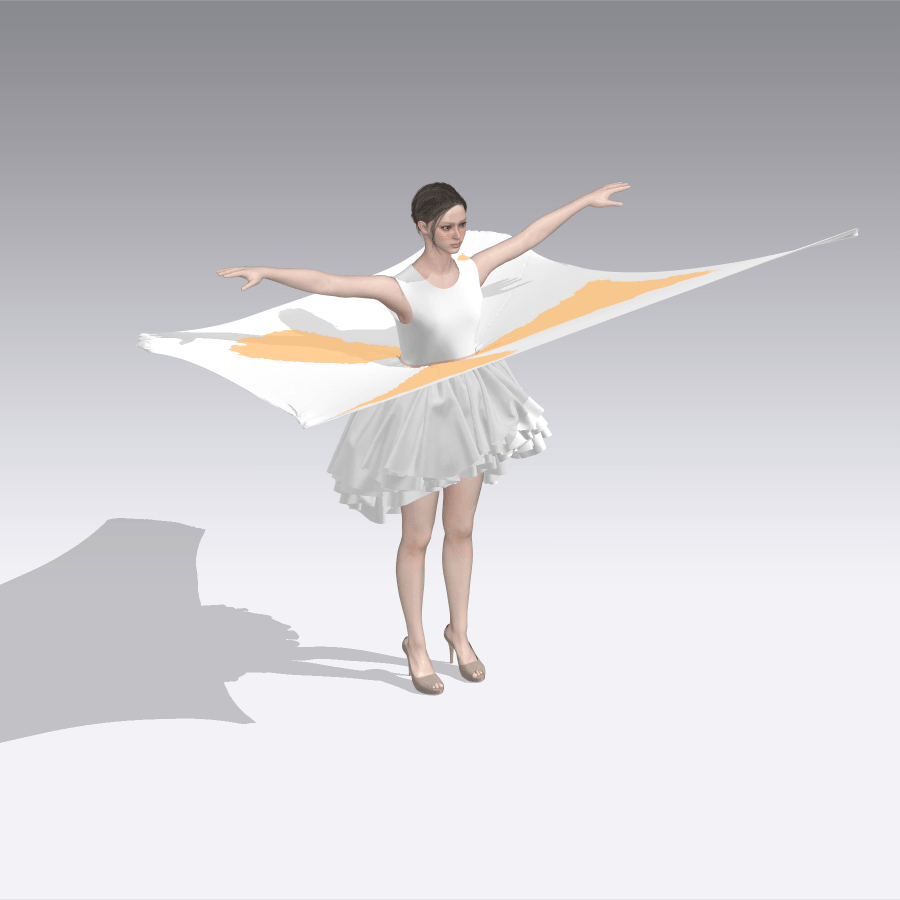
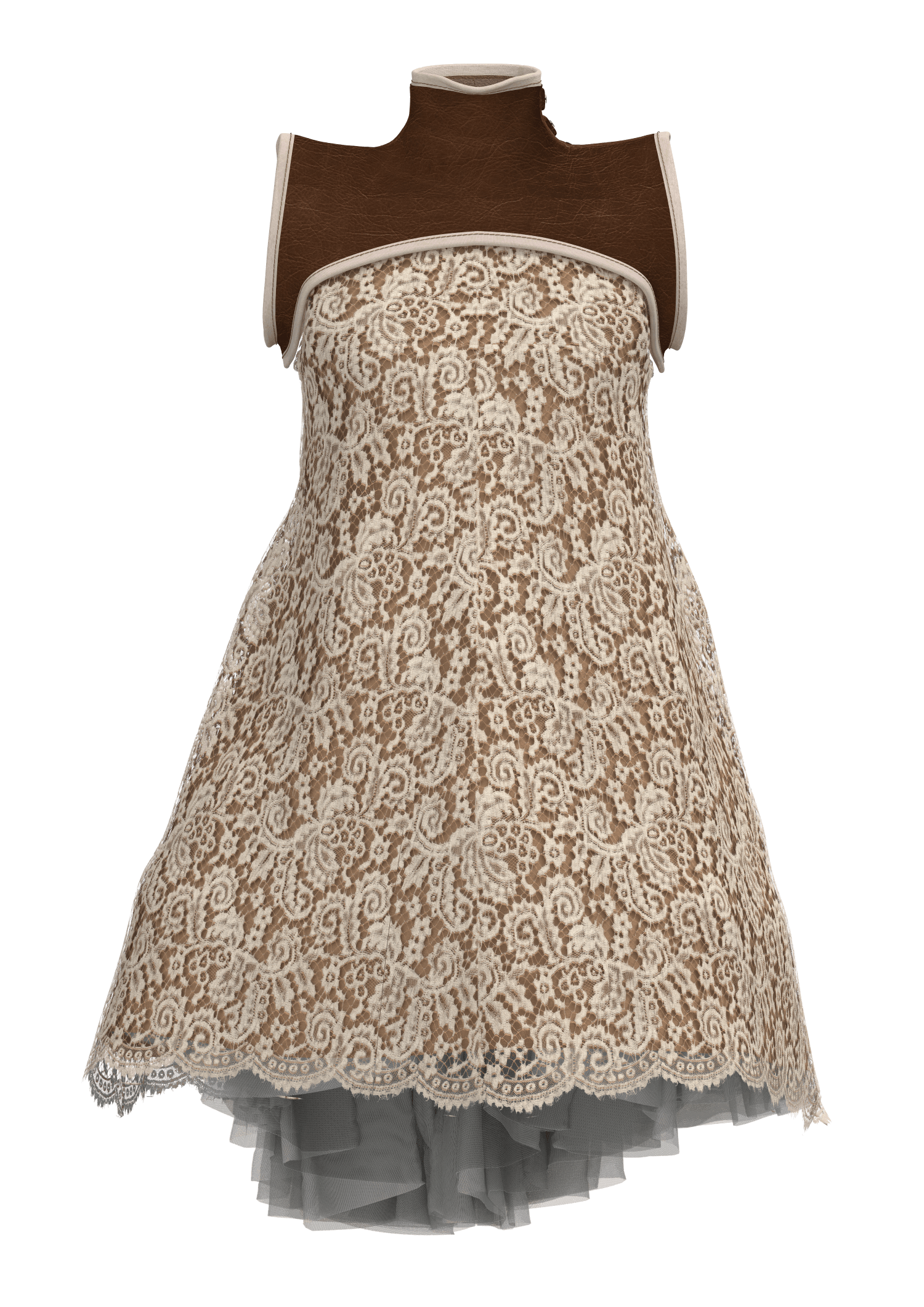
One of the ideas I was especially pleased with was creating an exploded view of the garment in CLO3D.
Because this dress was so complex, I wanted to show not only the finished result but also how it came together. The exploded view allowed the individual pattern pieces and layers to be seen flat before resolving into the final garment. For educational purposes, this felt especially valuable because it reveals the complexity behind the finished silhouette rather than hiding it.
That is one of the real strengths of digital fashion in an educational setting. It can make construction and pattern understanding far more visible.
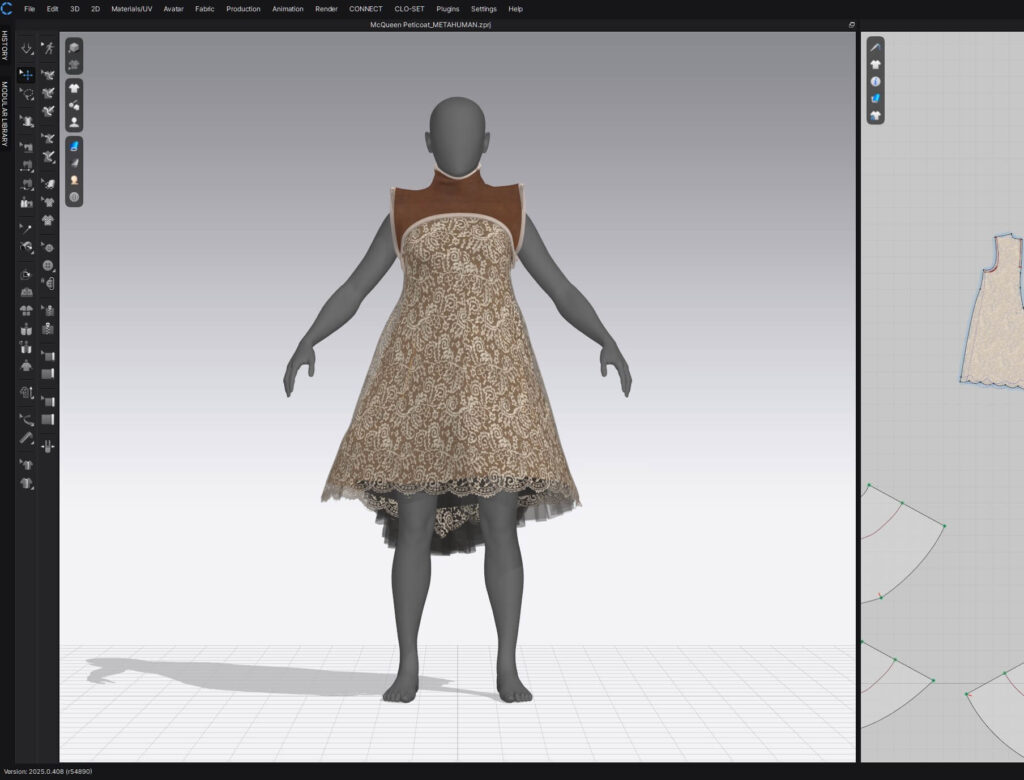
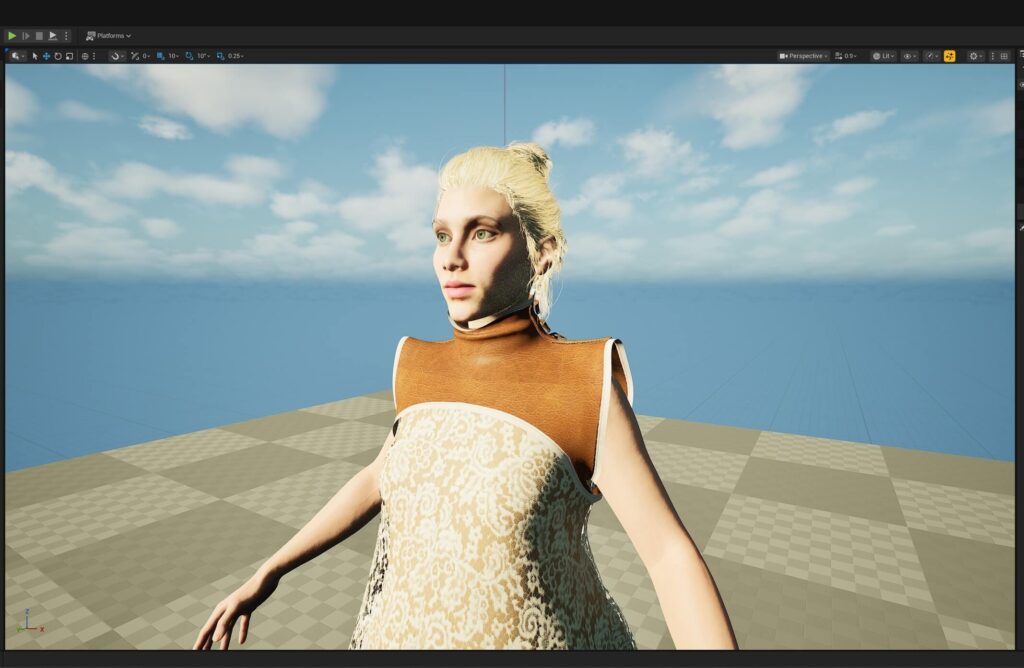
As the project progressed, I also began testing the garment in Unreal Engine, which was completely new territory for me.
That meant learning the basics from scratch, creating a MetaHuman, bringing the CLO model into Unreal, mapping all of the UVs correctly in CLO, and reducing the file size as much as possible before export so the asset remained workable.
Even though this was a steep learning curve, it opened up another layer of possibility in terms of how garments like this could eventually be experienced in more interactive digital spaces.
Working on a vintage Alexander McQueen dress was a privilege in itself.
But what made this project especially meaningful for me was the purpose behind it.
I am always interested in how digital tools can do more than create visuals. For me, their real value is in how they can support understanding, communication, education and more thoughtful ways of working. In this case, they also offered a way to help preserve and document fashion in a format that can be studied, shared and revisited.
Projects like this show that digitisation is not about replacing the original garment or the importance of physical collections. It is about creating another layer of access and understanding. One that can support teaching, research, interpretation and long-term preservation conversations in really powerful ways.
Being part of that, and doing it through the reconstruction of such an iconic McQueen piece, is something I will always be grateful for.
A big thank you to Gabby and Martin for bringing me into this project and for such a positive collaboration throughout.
It was a real pleasure to contribute my technical skills to something that felt so thoughtful and important, and I honestly loved every minute of delving into the detail of this garment.
Opportunities like this remind me exactly why I do what I do.
If you would like to explore more of the wider research behind this project, I would really recommend reading Gabby’s article on the digitisation of fashion assets at Fashion Museum Bath, which shares more on the fellowship, the different methods tested, and the questions this kind of work raises for the future.
If you are interested in how I support projects through CLO3D, digital product development and technical reconstruction, you can explore more of my work through Fashion Toolbox.



 Go Back