 Blog •
20/10/25
Most events I attend leave me with a notebook full of scribbles and a head full of ideas. But this year’s CLO Summit in Munich really stood out, not just for the scale of innovation being shared, but for the warmth and openness of the CLO community. As someone who usually finds networking uncomfortable, I was struck by how relaxed and genuine every conversation felt. It reminded me why I love being part of this industry: we’re all learning, exploring, and pushing boundaries together.
This post is my attempt to capture some of the key talks and insights from the day, from big-picture visions to very practical learnings, alongside my own reflections.
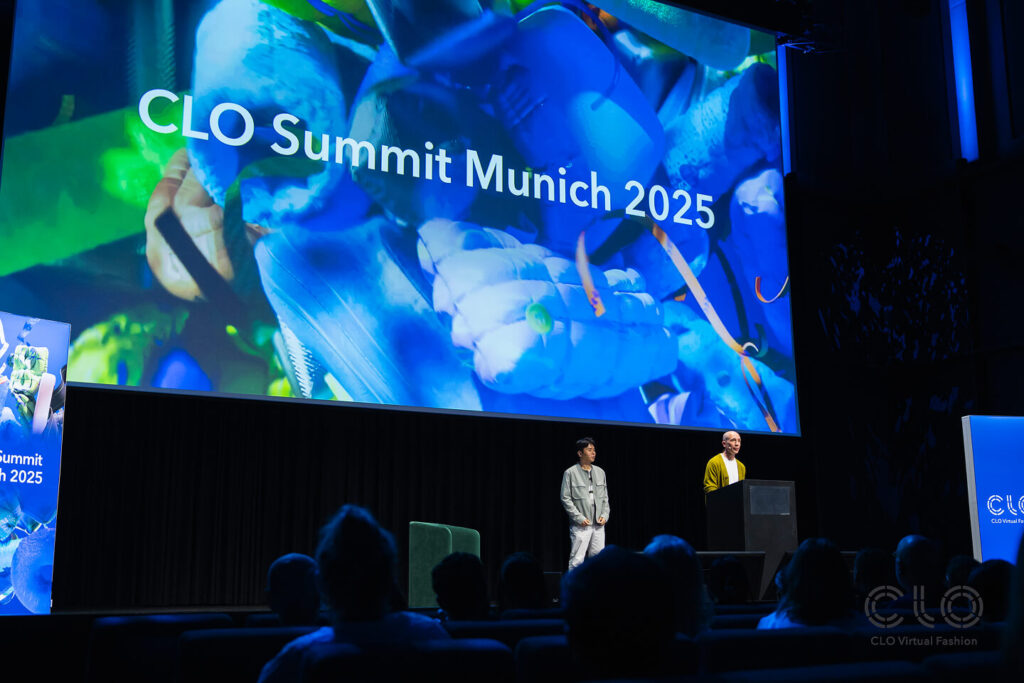
The day opened with CLO CEO Simon Kim and Ben Hanson from The Interline.
CLO’s mission is “to empower everything related to garments” and their vision is nothing short of ambitious: “to be the beginning and the end of every garment on Earth.”
Key themes:
This was a powerful reminder that CLO is positioning itself not just as software, but as the digital backbone of the garment industry.
One of the most relatable talks came from Sean Barbour and Fritz Rometsch at H&M. They spoke with refreshing honesty about their wins and struggles embedding CLO into their workflows over the past seven years.
Their closing reflection was one I strongly agree with: every stage of design, hand sketch, 2D, 3D, and now AI, has its place. But 3D is the bridge that connects ideation with production.
Dominic Sluiter (EnhanceThat) showed how automation tools can eliminate the most painful parts of 3D workflows.
We’ve all felt the drain of repetitive admin, exporting GLTFs, generating renders, updating trackers, uploading to showrooms. EnhanceThat’s CLO plug-ins and APIs tackle exactly that.
Results:
This isn’t just about speed. It’s about giving creative and technical teams the breathing space to focus on the work that matters: designing, problem-solving, storytelling.
Mohammad Amir (Interloop) brought a valuable vendor perspective. With over 800 million hosiery units produced annually, scale is their daily reality.
Their collaboration with Marks & Spencer showed what’s possible when brands and vendors align digitally:
The message was clear: technology only delivers value when both sides of the supply chain invest in shared standards and processes.
The lightning talks were some of my personal highlights, short, sharp bursts of innovation.
These talks underscored that digital fashion isn’t just about tools. It’s about ecosystems, academia, brands, and tech developers working together.
The afternoon panel brought together voices from Hugo Boss, adidas, Bershka, H&M, moderated by Ben Hanson.
Their message: the foundation of scaling Digital Product Creation is still pattern and fit. Speed to market means nothing if the digital doesn’t translate to physical. Collaboration between creative design, pattern making, and software specialists is no longer optional — it’s essential.
Bastian Geluk and Elly Pan (INDG) demonstrated the power of scaling digital content pipelines.
In just one seasonal project they delivered:
Their work proved that scaling content doesn’t mean sacrificing quality — and that digital twins are already powering retail at industrial scale.
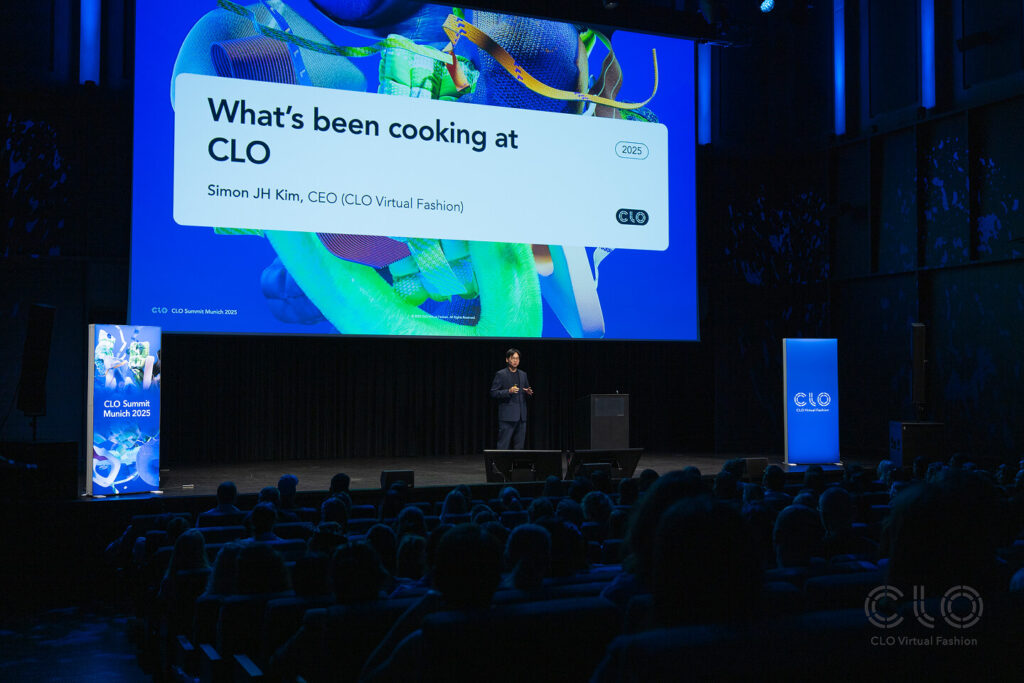
CLO founder Jaden Oh closed the summit with updates that signal the future of CLO in daily workflows:
Finally, the Rising Talent Awards celebrated Holly New and Liwia Labuz, and I also want to recognise the many other impressive entries. The creativity and technical skill on display was a reminder that the future of digital fashion is in very capable hands.
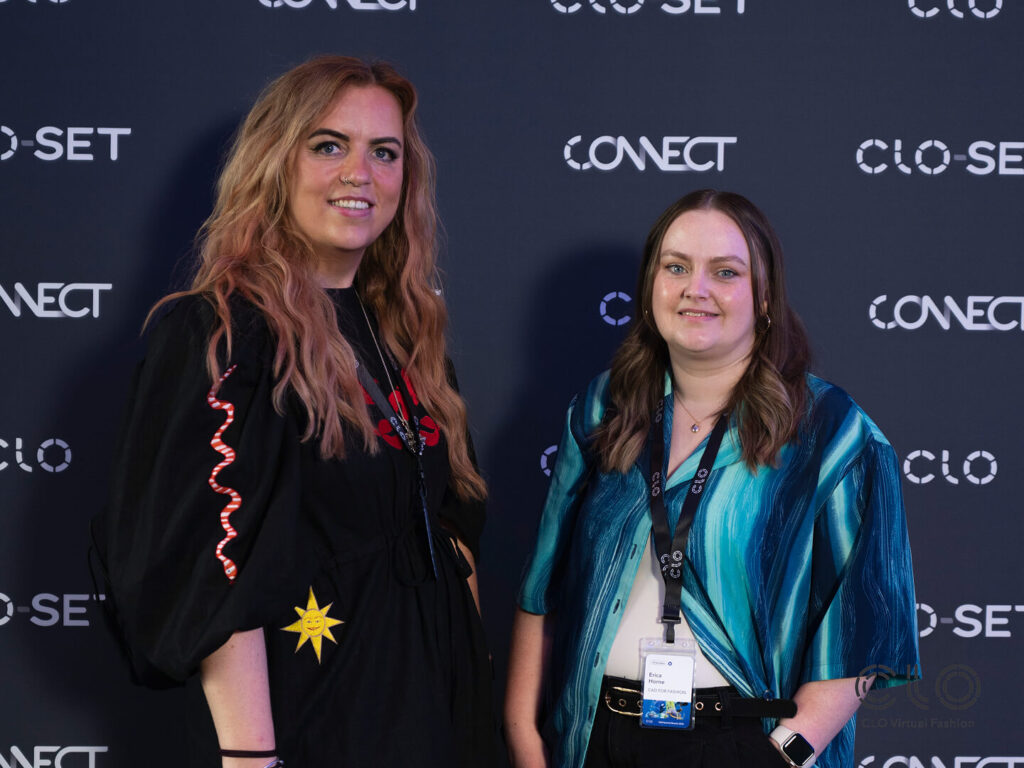
What I took away most wasn’t just the technology. It was the community. The friendliness and openness of everyone I met made networking, something I usually find uncomfortable, feel natural. From academics and educators to peers in brands and vendors, to tech innovators, every conversation left me with a fresh perspective.
And a special thank you to Fernanda from CLO for inviting me.
At its heart, this summit reminded me that digital fashion is not just about software features. It’s about human workflows, collaboration, and the courage to reimagine how things are done.



 Go Back